

Selective Mutism
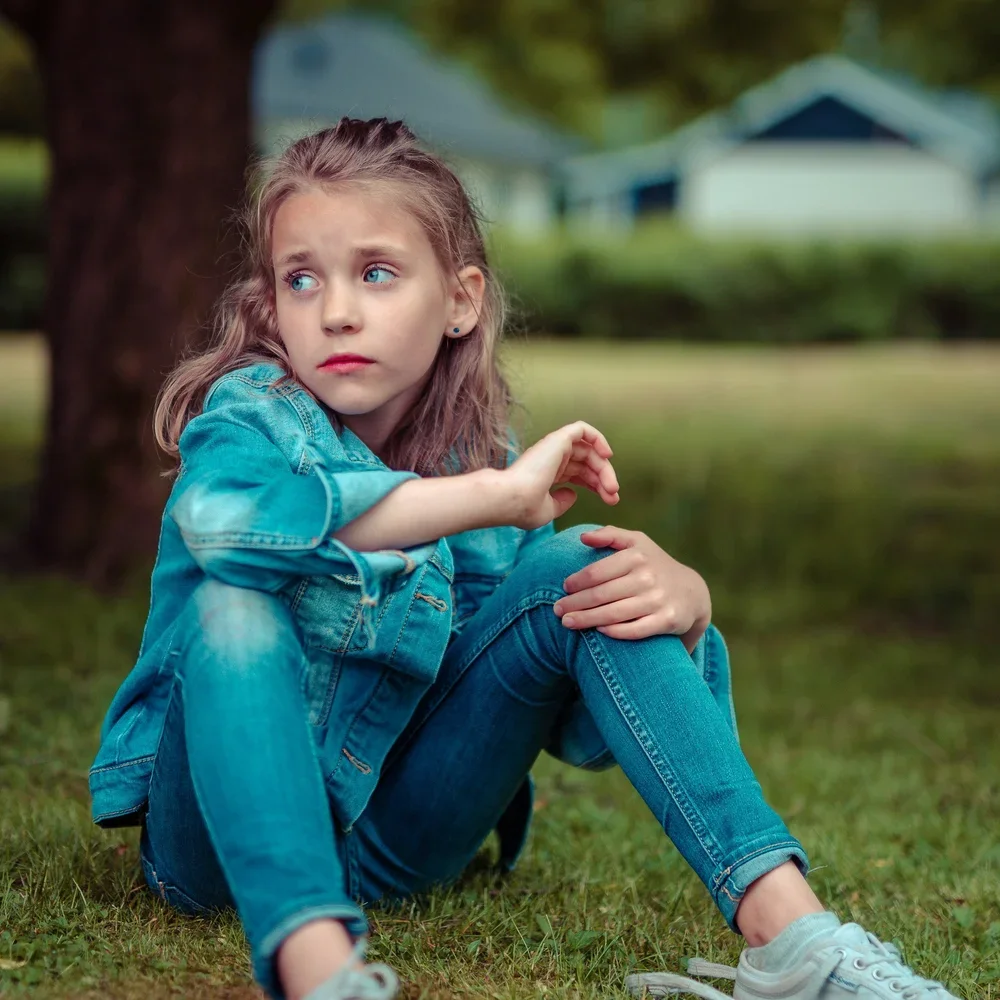
Selective mutism (SM) is a childhood anxiety disorder where a person is unable to speak in certain social situations, such as schools or in public, despite being able to speak comfortably in other settings like at home. When anxious, children, teens or adults may appear frozen, stiff or expressionless. they may be avoiding eye contact and rely on nodding, pointing, or whispering.
It is not a behavioral choice, but a consistent failure to speak that interferes with daily life, often first appearing before age five. Treatment typically involves therapy, like controlled exposure (fade in/fade out technique, bug-in-the-ear coaching), and sometimes medication for severe cases.
Our therapists are RTC are passionate and understand the debilitating impact selective mutism has on an individual. We are dedicated working with children, teens and adults and their families and community to provide education and support on selective mutism.
What We Help With

Our Approach
Executive functioning difficulties (planning, prioritizing, time management)
Emotional regulation and sensory overwhelm
Social communication differences and masking fatigue
Difficulty with transitions or changes in routine
Co-occurring anxiety, depression, or burnout
Gradual, exposure-based interventions to build comfort speaking across settings
Collaboration with schools to support communication in academic and social settings
Gentle, low-pressure approach that avoids forcing speech
Building rapport and trust as the foundation before introducing verbal expectations
Family and caregiver involvement to reinforce progress across environment
Rejection sensitivity and self-esteem concerns
Sensory sensitivities (light, sound, touch, textures)
Challenges with sustained attention or task initiation
Navigating relationships and workplace/school accommodations
PCIT-SM (Parent-Child Interaction Therapy) adapted for Selective Mutism, building communication confidence through structured play-based sessions
SPACE (Supportive Parenting for Anxious Childhood Emotions), which coaches parents/caregivers on reducing accommodation of anxiety-driven avoidance
Attachment-Based Therapy — Addresses anxiety rooted in relational patterns
Somatic Techniques — Manages the physical symptoms of trauma focusing on the nervous system and physical sensations
Psychoeducation —Provides learning in the nature of trauma and how treatment works.
Mindfulness-Based Approaches — Builds present-moment awareness to reduce symptoms of trauma
Selective Mutism Specialists
-
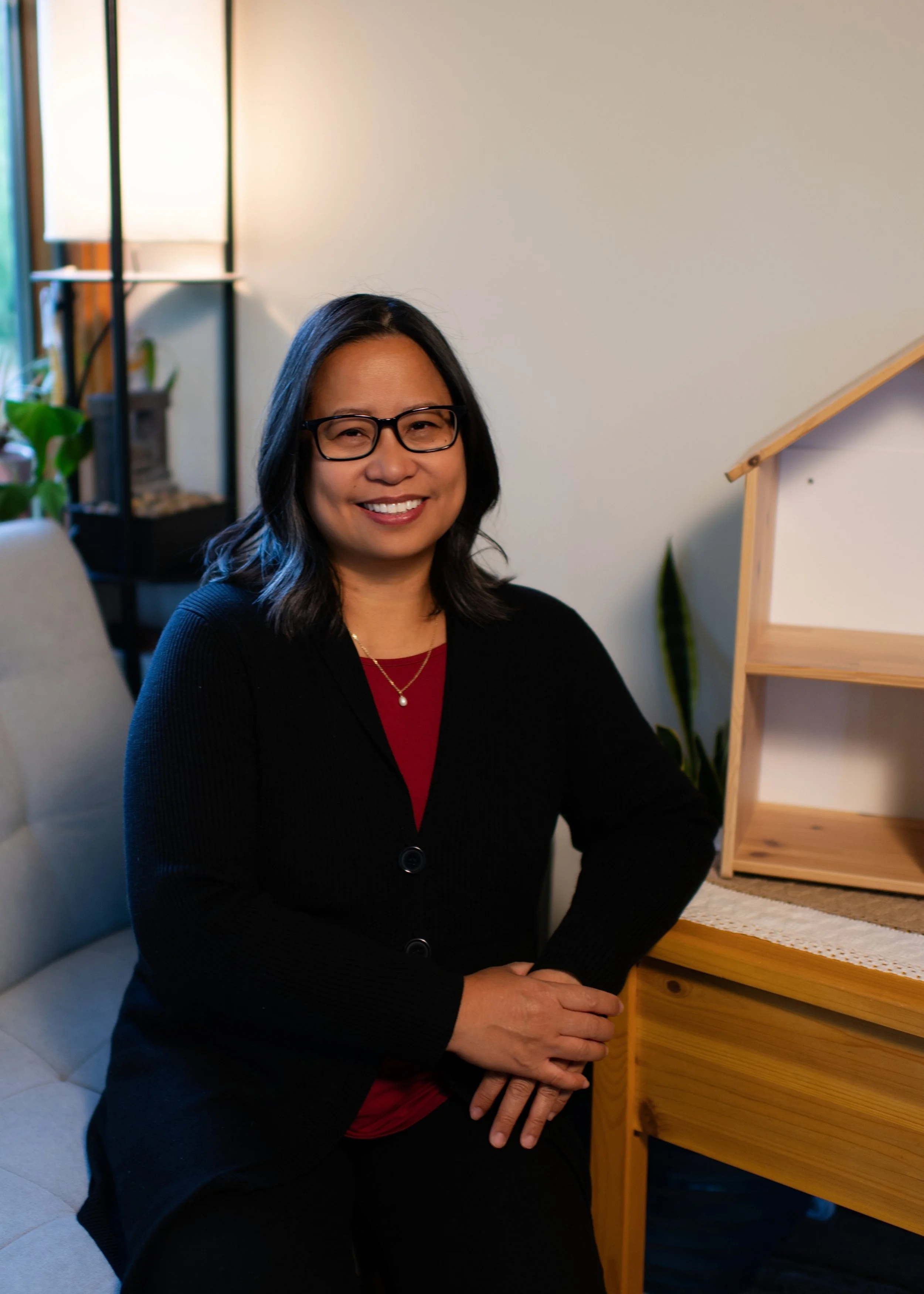
Claire de Leon, LMHC
Accepting new clients-PCIT_SM Provider
In-person & Telehealth services for clients (children 4+, teens, adults, parents, group)
AREAS OF FOCUS:
Selective Mutism
Trauma (physical, sexual, emotional & domestic violence)
Anxiety Disorders
Cultural & immigration issues
Parent Support
Claire also offers her services in Tagalog
Email: malaya@counselingmind.co
Phone: (425) 202-5485
-
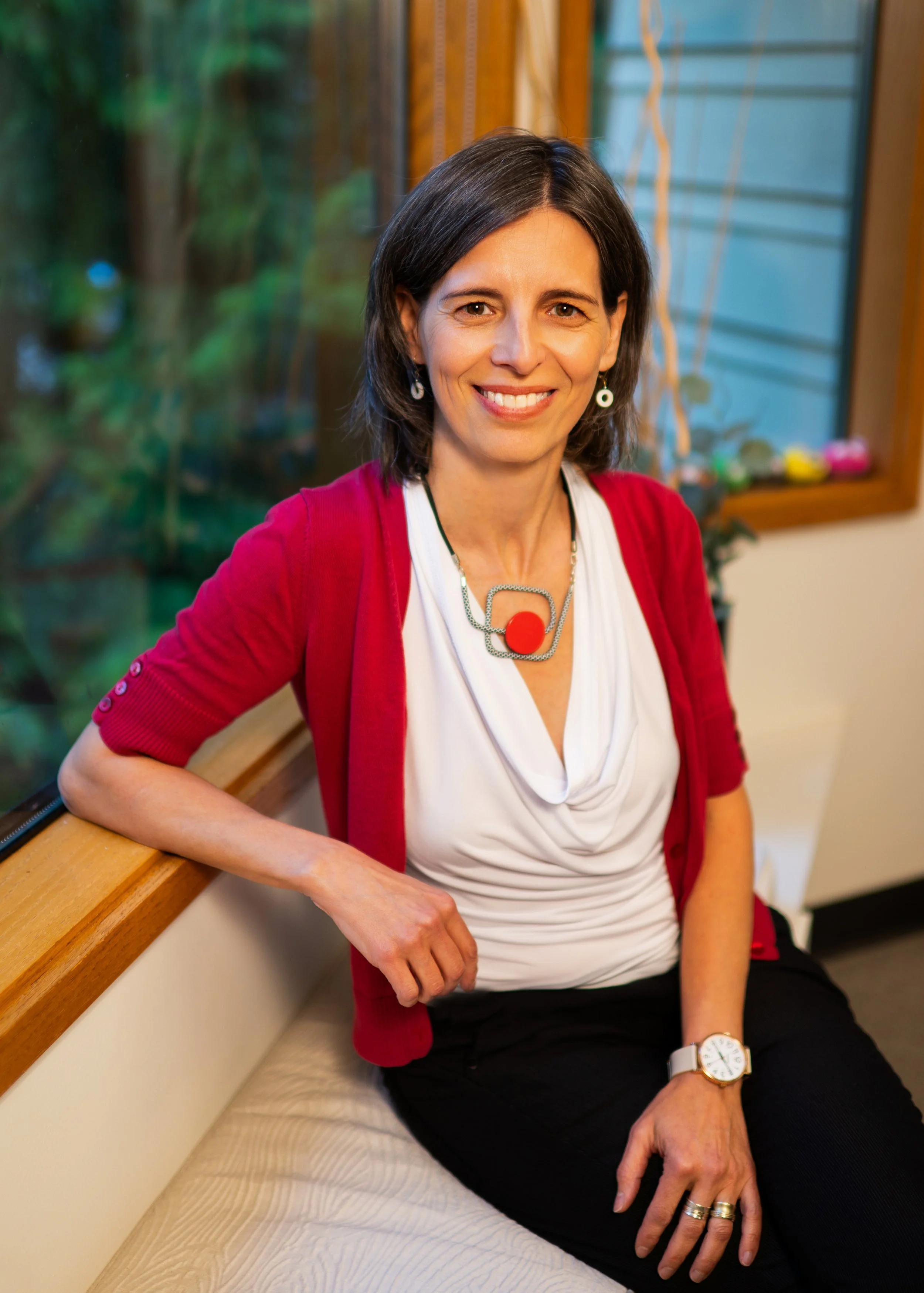
Miri Arie, PhD
Accepting new clients-SPACE Provider
In-person & telehealth services for clients (children-0+, adults, families, groups)
AREAS OF FOCUS:
Group Therapy
Anxiety
Difficulties in forming and maintaining meaningful relationships
Relationships within the family
Early Trauma and Intergenerational trauma
Adjustment to life transitions
Parent-child relationship
Working with children under age 5
Email: Miri@SocialEndeavors.net
Phone: (585)857-9394