

Family Therapy

Our family therapists support families as an interconnected system, where one issue affects every and change in one part can help the whole. Being able to create a safe space where providing structure, exploring dynamics and needs, and providing psychoeducation and practicing ways of interacting are ways our therapists help promote positive family relations.
We Help Any Family Unit:
LGBTQ+ families
Blended families
Traditional nuclear families
Chosen families
Adopted families
Extended families
Or even just two people in a close relationship
Common Goals & Issues Addressed
Improved Communication: Learning to express thoughts and needs constructively.
Conflict Resolution: Addressing arguments, resentment, or hurtful patterns.
Coping with Stressors: Managing divorce, grief, financial issues, blended family adjustments, or a family member's serious illness.
Supporting Mental Health: Helping families understand and support loved ones with mental illness or addiction.
Strengthening Bonds: Building emotional understanding and resilience.
Family Therapists
-
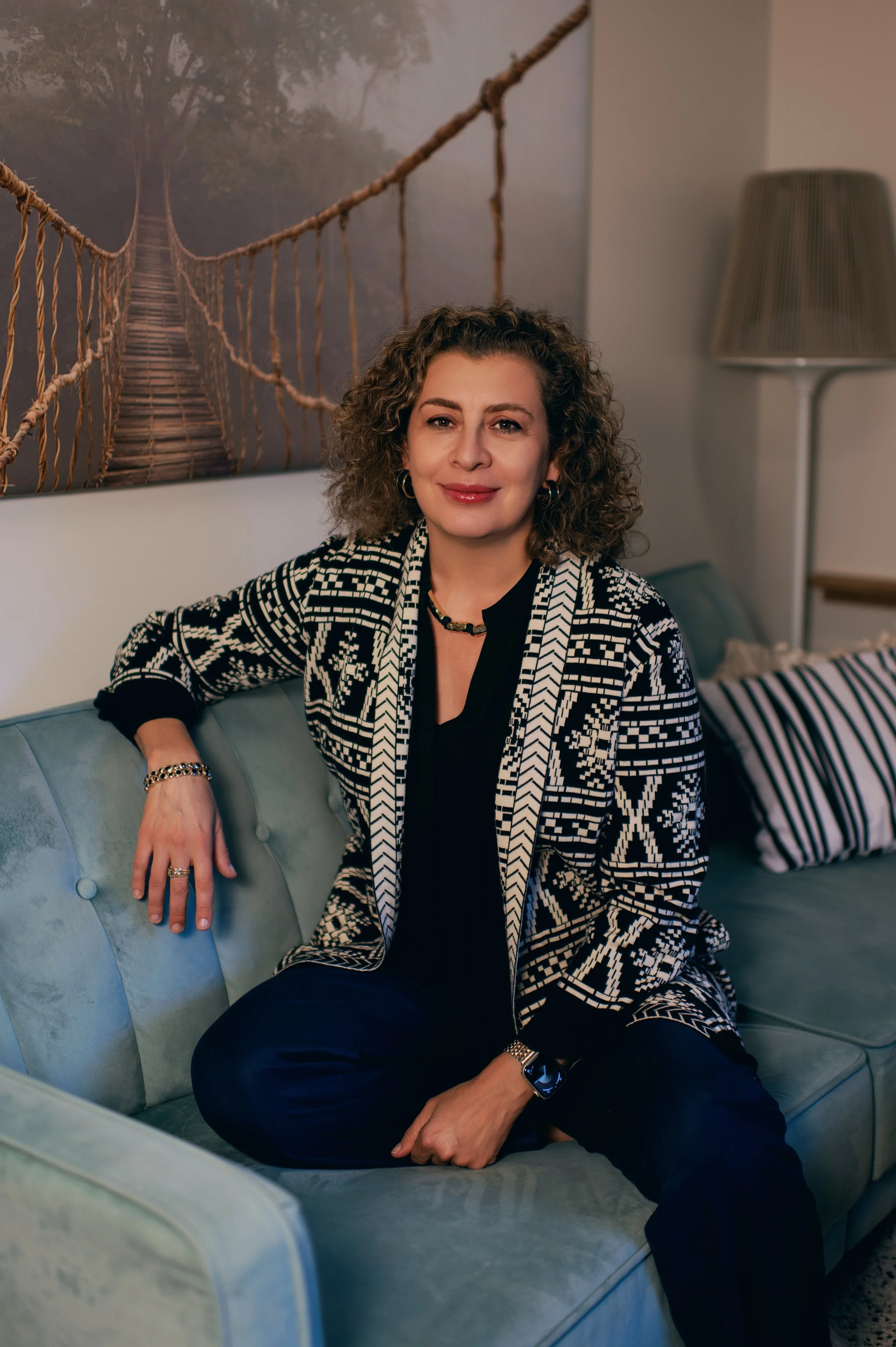
Elina Kogan, LICSW
Accepting new clients
In-person & Telehealth services for clients teens 15+, adults, parents, couples)
AREAS OF FOCUS:
Anxiety
Depression
Marital issues
Parenting
Relationship Issues
Trauma
Elina also offers her services in Russian, Hebrew, Hungarian
Email: Linak@mindfulcarewa.com
Phone: (425) 202-5393
-
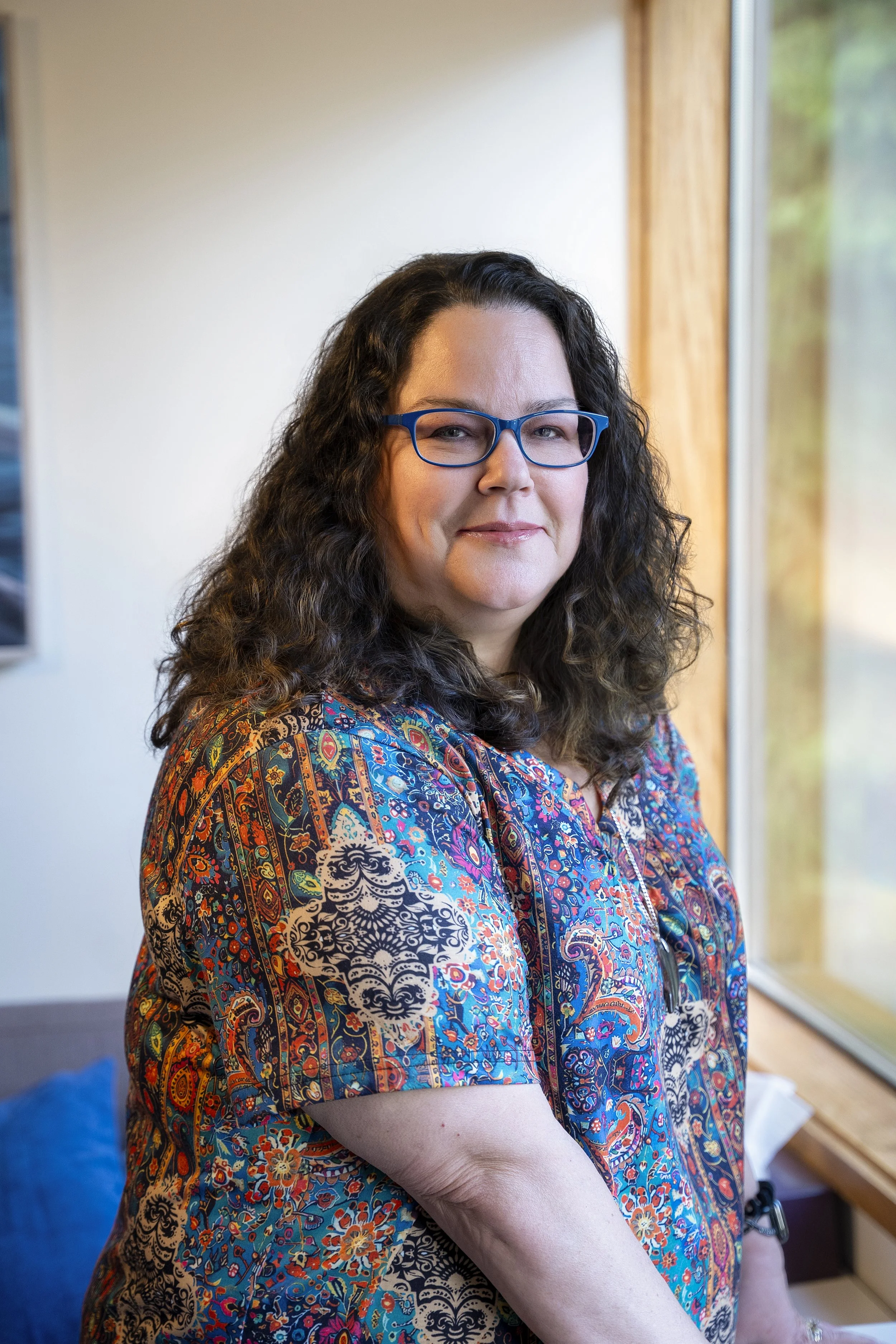
Galit Arad-Trutner, LICSW
Not accepting clients at this time except for IFS intensives
In-person & Telehealth services for clients (teens 13+, adults, parents, couples, families)
AREAS OF FOCUS:
Internal Family Systems
Conflict Coaching
Mediation
Group Facilitation
Trauma
Galit also offers her services in Hebrew.
Email: Galit@compassionatewways.com
Phone: (425) 442-5727
-
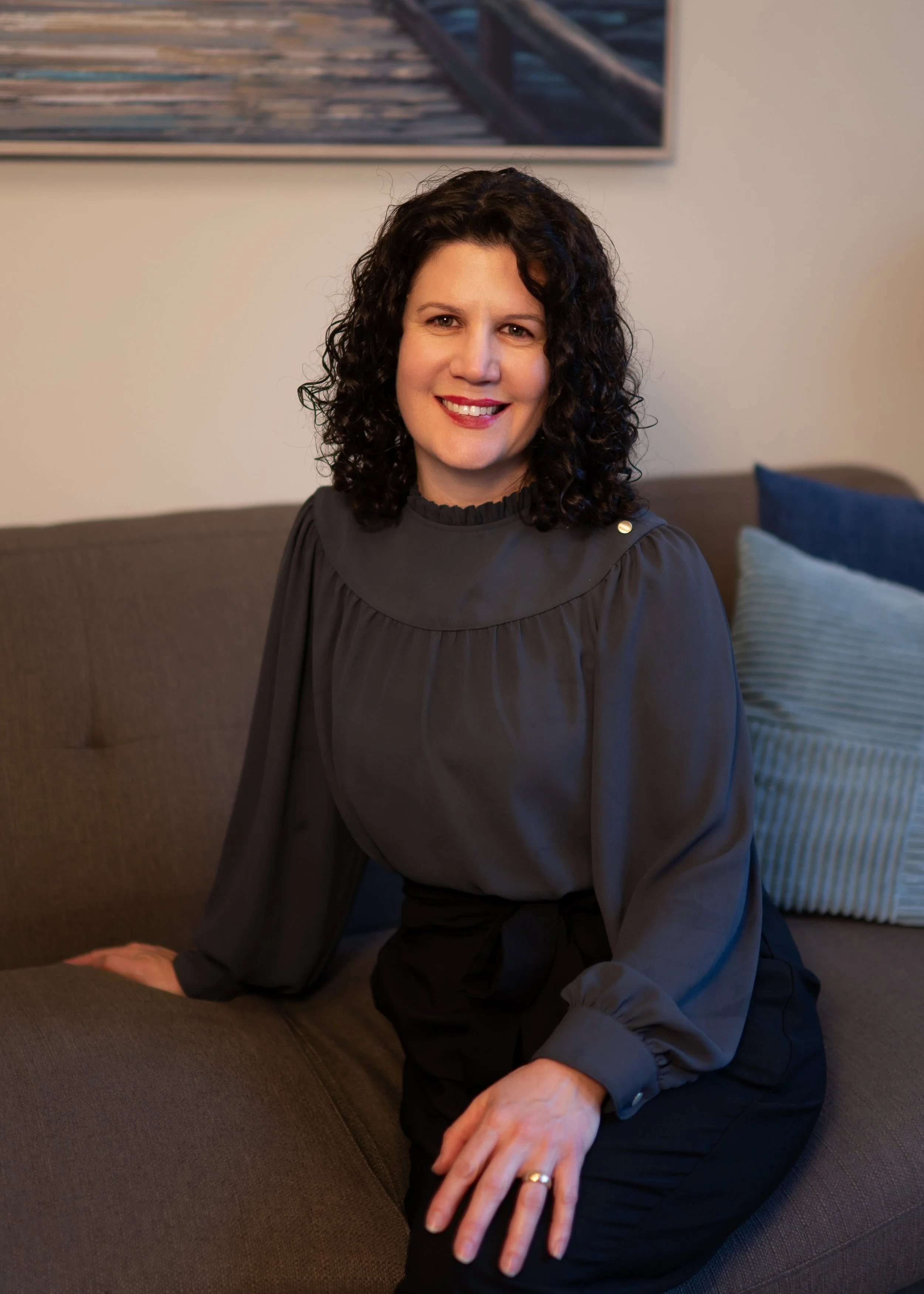
Michal Goldring Keidar, LICSW
Accepting new clients
In-person & Telehealth services for clients (teens, adults, parents, couples)
AREAS OF FOCUS:
Trauma and recovery
Relational issues including couples counseling
Life transitions (parenthood, ‘empty nesting,’ aging)
Oppression and cultural issues
Neurodivergent individuals
Parents of neurodivergent children
Parents of children with disabilities
Michal is also offering services in Hebrew.
Email: Michalgkeidar@gmail.com
Phone: (206)-486-4131
-
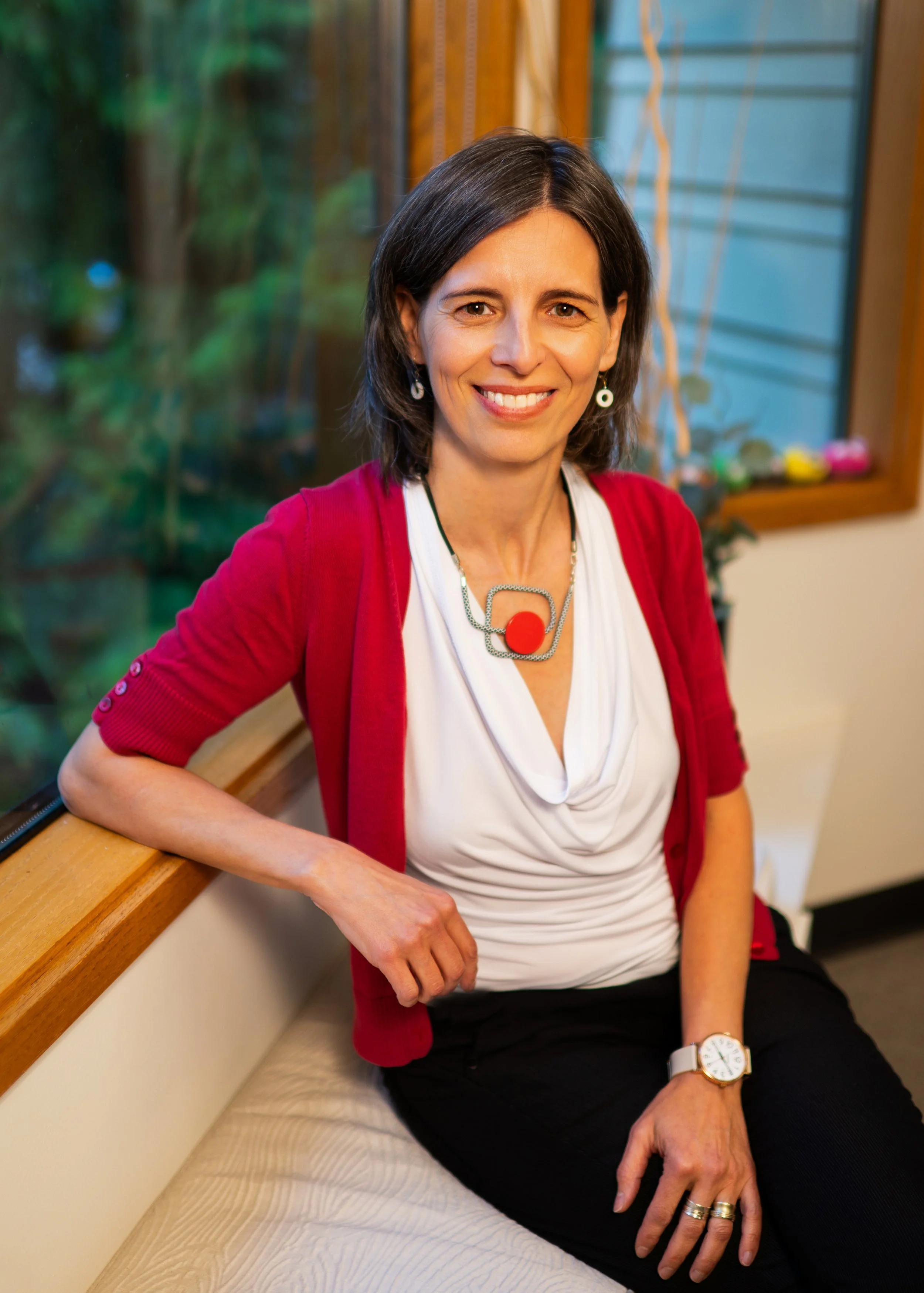
Miri Arie, PhD
Accepting new clients
In-person & telehealth services for clients (children-0+, adults, families, groups)
AREAS OF FOCUS:
Group Therapy
Anxiety
Difficulties in forming and maintaining meaningful relationships
Relationships within the family
Early Trauma and Intergenerational trauma
Adjustment to life transitions
Parent-child relationship
Working with children under age 5
Email: Miri@SocialEndeavors.net
Phone: (585)857-9394
-

Nina Helms, LMHC
Accepting new clients
In-person & Telehealth services for clinets (teens-13+, adults, families)
AREAS OF FOCUS:
Attachment
Trauma (physical, sexual, emotional & domestic violence)
Grief
Depression/mood disorders
Anxiety disorders
Relational conflict
Email: sisucounseling@icloud.com
Phone: (509) 443-2281