

Group Therapy/Life Skills Training
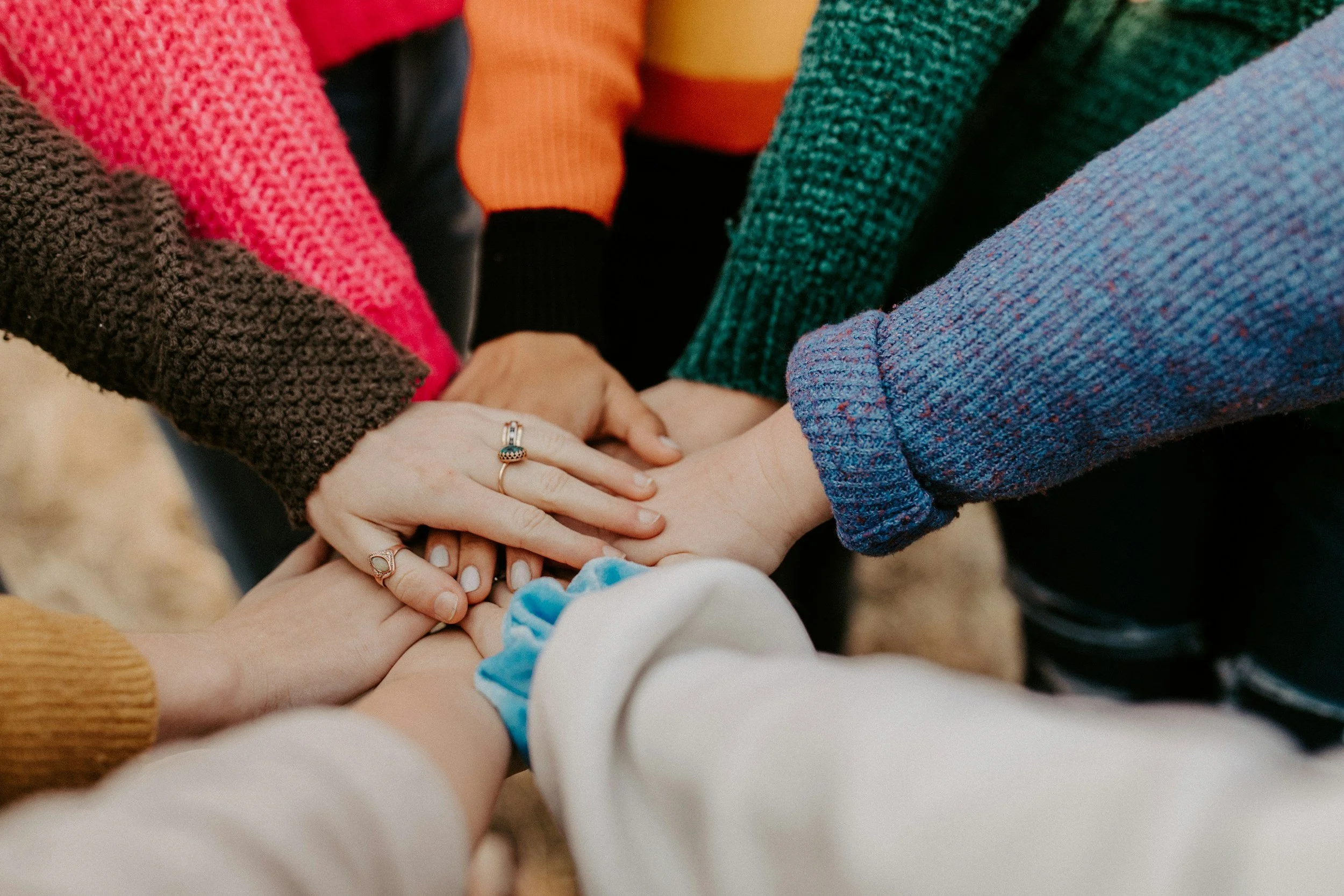
Group therapy sessions available for clients throughout the Bellevue area and greater Seattle region as well as online options.
What Is Group Therapy?
Group psychotherapy is an effective form of therapy in which a small number of people meet under the guidance of a professionally trained therapist to help themselves and each other. There are many different approaches to group therapy, but they are all based on creating a safe, supportive, and cohesive space to address personal, relationship, and societal issues.
What makes group therapy unique and powerful?
We live and interact with people every day, and often there are concerns that other people are experiencing or grappling with that can be beneficial to share with others. In group therapy, you learn that perhaps you’re not alone or as different as you think. You’ll meet and interact with people and give and share helpful feedback; the whole group learns to work together on common problems — one of the most beneficial aspects of group therapy.
Groups Offered
-
![Group of six diverse people sitting in a circle during a support or therapy session in a bright room.]()
Group Therapy for Adults
-
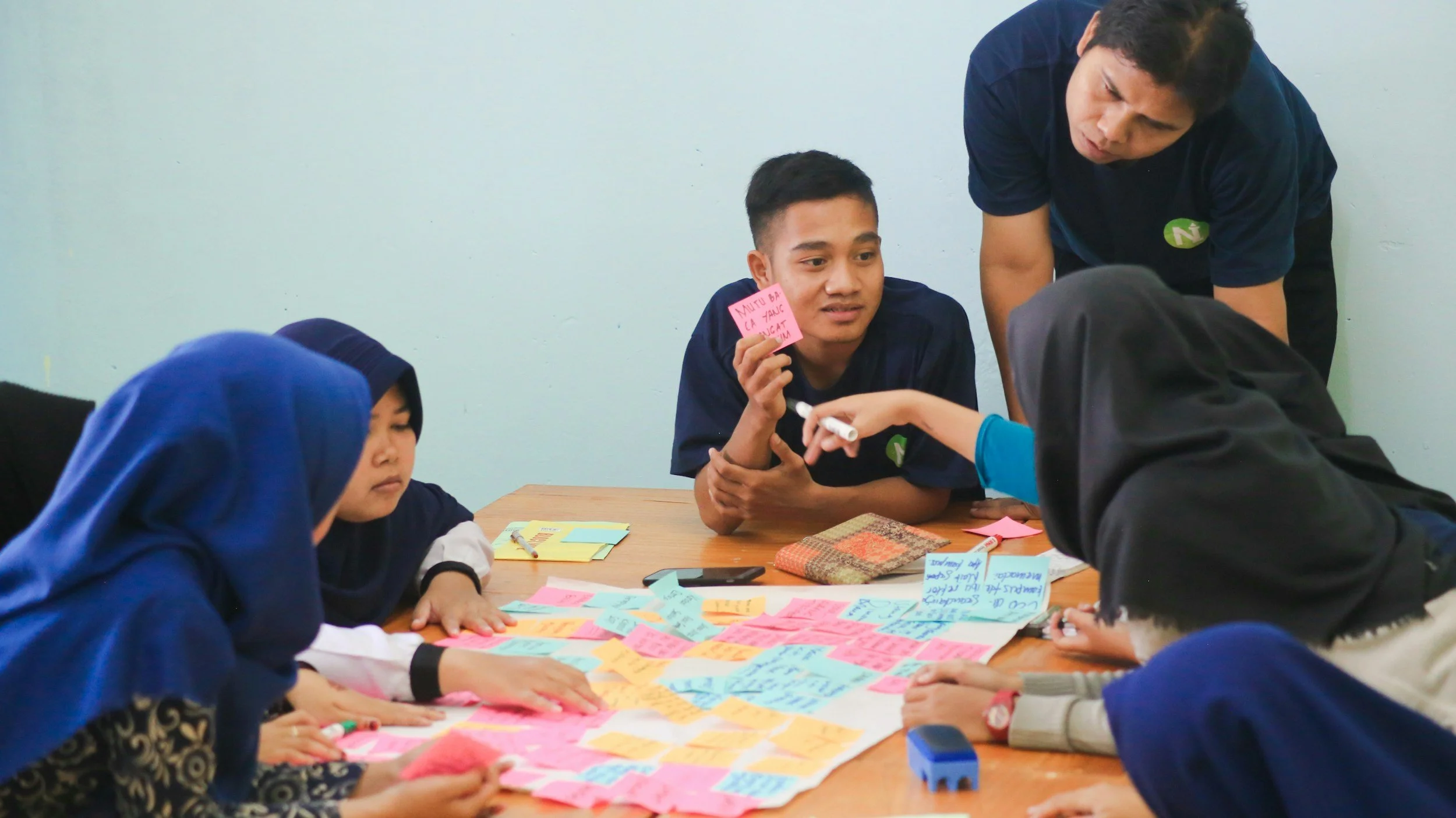
![Group of students and a teacher collaborating around a table covered with colorful sticky notes and paper, engaged in a discussion.]()
Skills Group for Kids
-
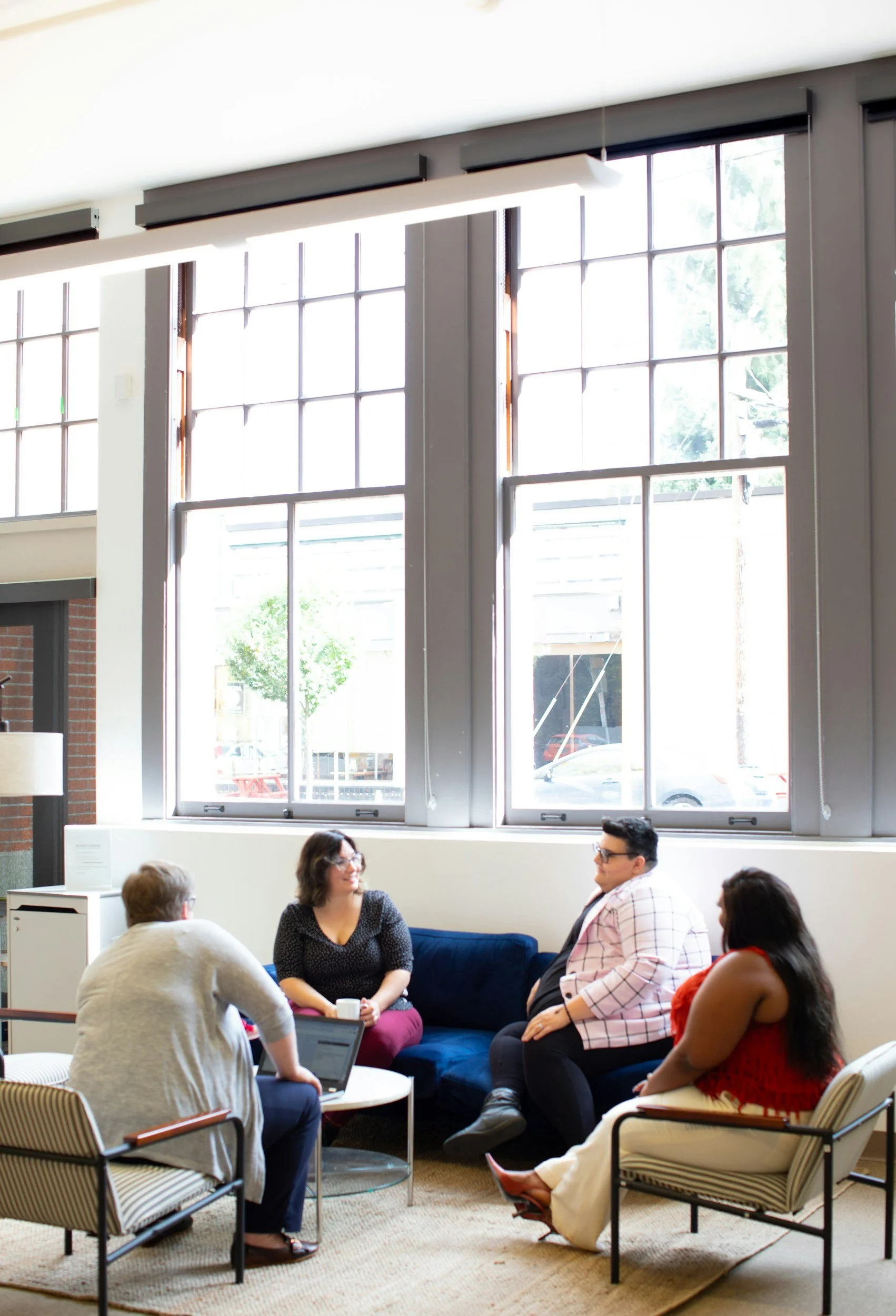
![Four people sitting in a circle talking in a bright, modern room with large windows.]()
Relational Groups for Therapists

Group Providers
-

Miri Arie, PhD
Accepting new clients
In-person & telehealth services for clients (children-0+, adults, families, groups)
AREAS OF FOCUS:
Group Therapy
Anxiety
Difficulties in forming and maintaining meaningful relationships
Relationships within the family
Early Trauma and Intergenerational trauma
Adjustment to life transitions
Parent-child relationship
Working with children under age 5
Email: Miri@SocialEndeavors.net
Phone: (585)857-9394
-
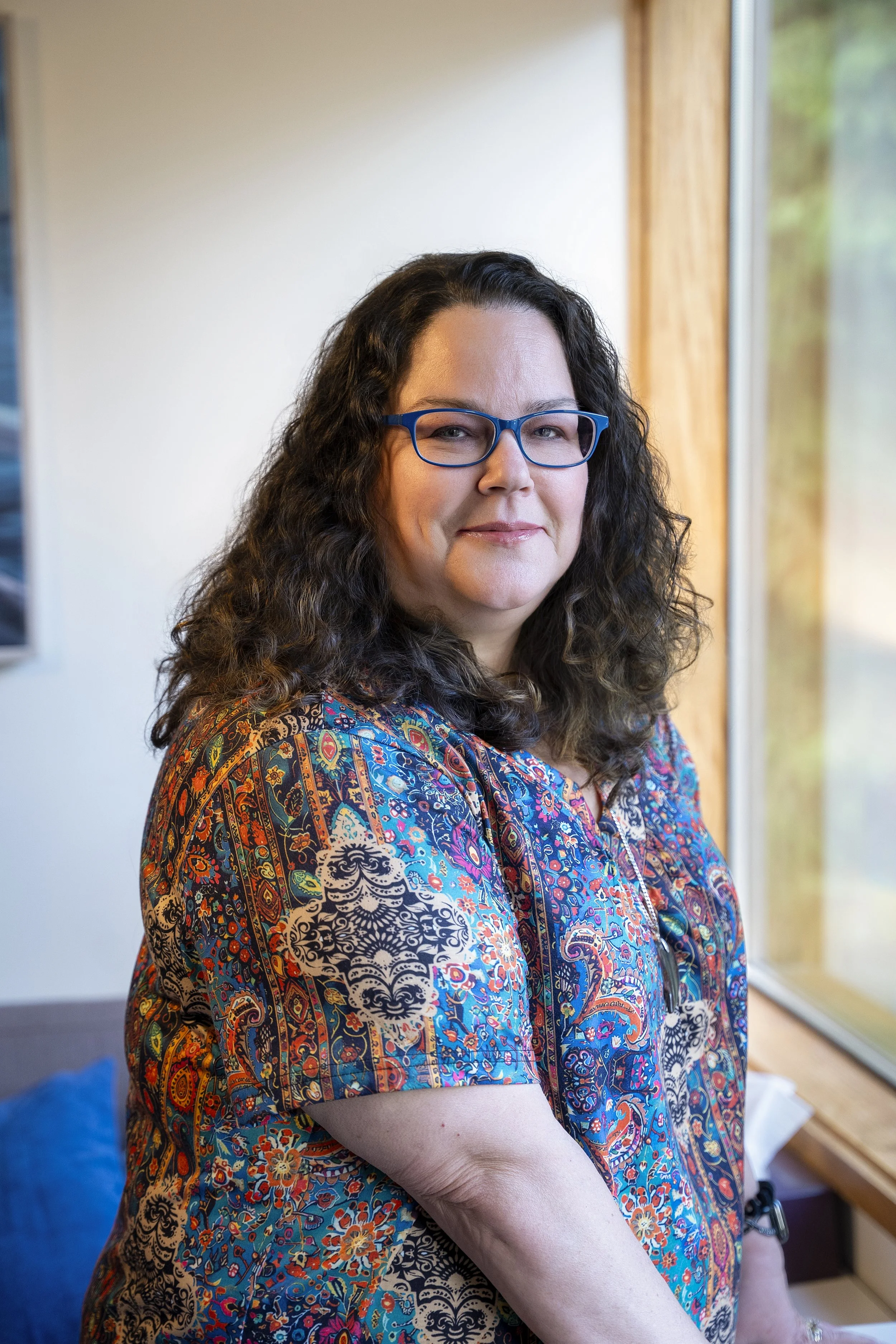
Galit Arad-Trutner, LICSW
Not accepting clients at this time except for IFS intensives
In-person & Telehealth services for clients (teens 13+, adults, parents, couples, families)
AREAS OF FOCUS:
Internal Family Systems
Conflict Coaching
Mediation
Group Facilitation
Trauma
Galit also offers her services in Hebrew.
Email: Galit@compassionatewways.com
Phone: (425) 442-5727
-
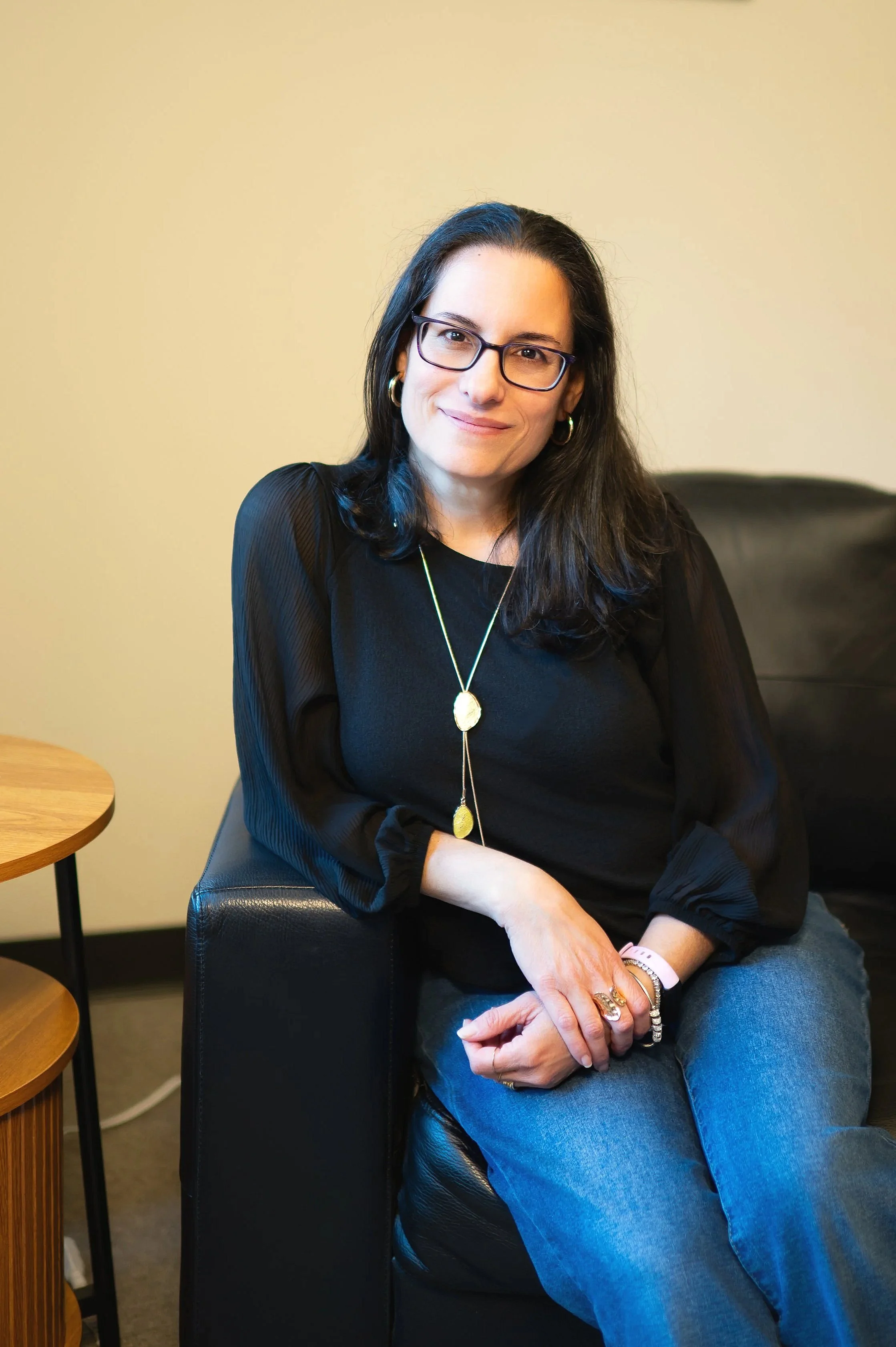
Lilach Geppert-Shapira, MA, CLC
Accepting new clients
In-person & Telehealth services for clients (children, teens, adults, parents, couples-parent focus, groups)
AREAS OF FOCUS:
ADHD
Life coaching
Executive functioning
Social skills training
Group psychoeducation
Parent Coaching & Family Work
Lilach also offers her services in Hebrew.
Email: Lilach.geppert@gmail.com
Phone: (425) 922-7647
-
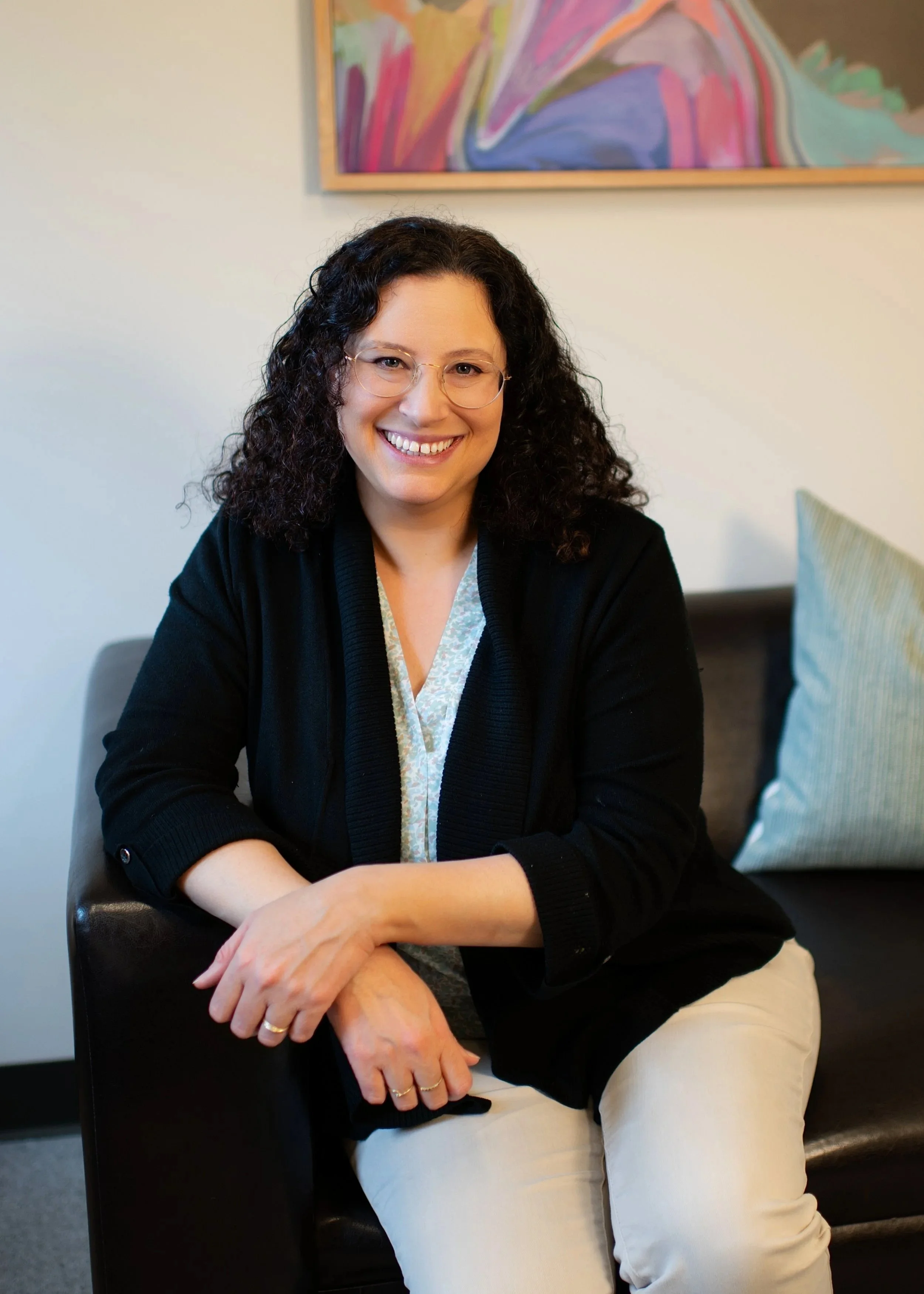
Limor Raviv, LMHCA
Accepting new clients
In-person & Telehealth services for clients (children, teens, adults, parents, families, groups)
AREAS OF FOCUS:
Anxiety and stress management
Self-regulation and emotional control
Behavioral challenges
ADHD
Mindfulness based and social skills groups
Parent training groups
Limor also offers her services in Hebrew.
Email: Limor2002@gmail.com
Phone:(425) 448-0880
-
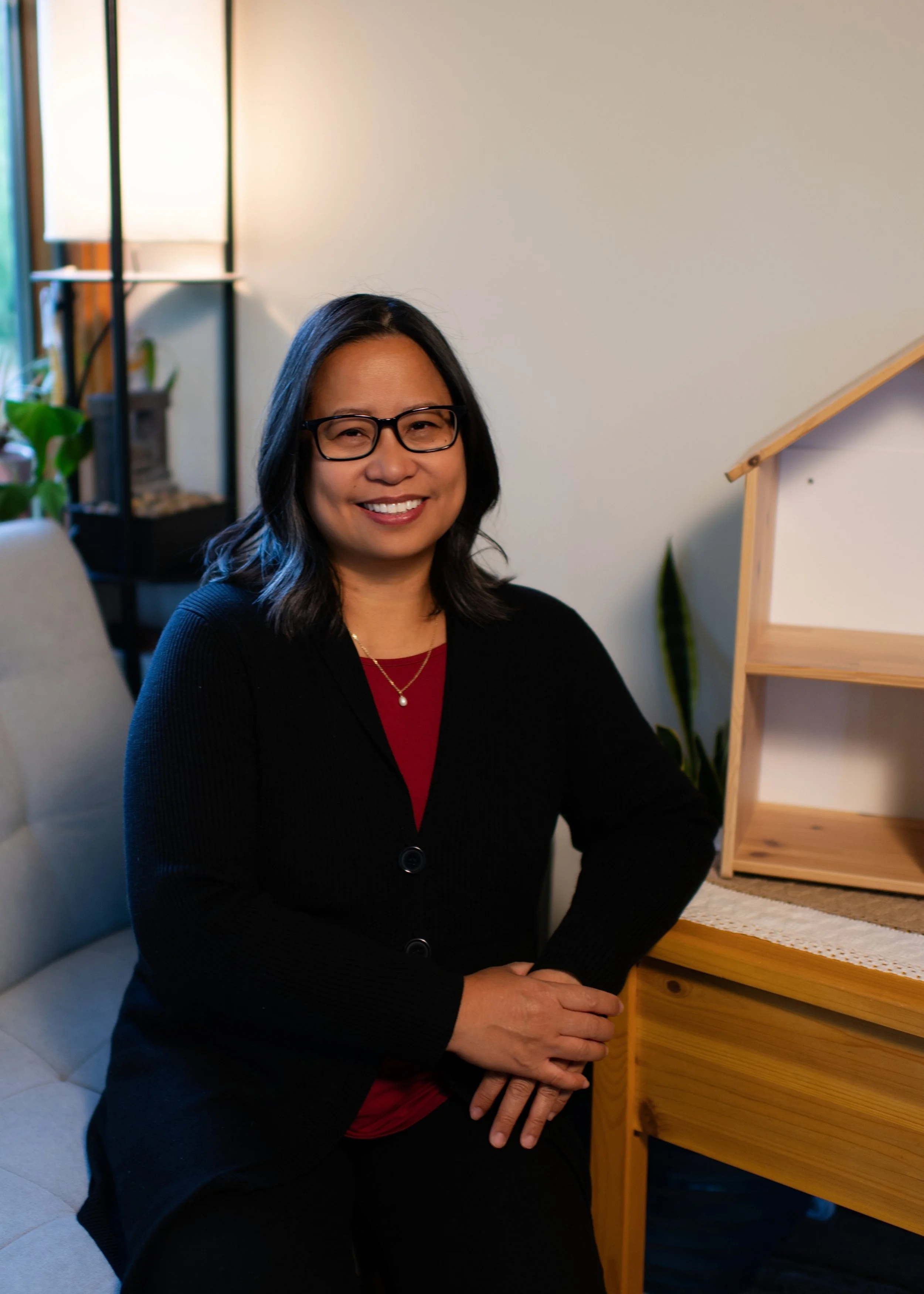
Claire de Leon, LMHC
Not accepting clients at this time
In-person & Telehealth services for clients (children 4+, teens, adults, parents, group)
AREAS OF FOCUS:
Selective Mutism
Trauma (physical, sexual, emotional & domestic violence)
Anxiety Disorders
Cultural & immigration issues
Parent Support
Claire also offers her services in Tagalog
Email: malaya@counselingmind.co
Phone: (425) 202-5485