


Selective mutism (SM) is a childhood anxiety disorder where a person is unable to speak in certain social situations, such as schools or in public, despite being able to speak comfortably in other settings like at home. It is not a behavioral choice, but a consistent failure to speak that interferes with daily life, often first appearing before age five. Treatment typically involves therapy, like controlled exposure (fade in/fade out technique, bug-in-the-ear coaching), and sometimes medication for severe cases.
Key Characteristics
Context: Dependent: Speech occurs freely in "safe" environments but is impossible in "uncomfortable" settings.
Non-Verbal Indicators: When anxious, individuals may appear frozen, stiff, or expressionless. They may avoid eye contact and rely on nodding, pointing, or whispering.
Onset: Symptoms typically begin between ages 3 and 5, though the disorder is often not diagnosed until a child starts school.
Duration: For a diagnosis, the behavior must persist for at least one month (excluding the first month of a new school year).
Treatment Strategies
Treatment focuses on reducing anxiety rather than forcing speech. Key evidence-based techniques include:
Stimulus Fading: Gradually introducing a new person into a situation where the child is already speaking comfortably with a trusted adult.
Shaping: Using positive reinforcement for any effort to communicate, moving from non-verbal gestures to whispering and eventually full speech.
Behavioral/Cognitive Behavioral Therapy (CBT): Helping children manage their physical symptoms of anxiety and challenge negative thoughts.
Medication: Selective Serotonin Reuptake Inhibitors (SSRIs) may be used for older children or severe cases to lower overall distress levels and make therapy more effective.
School Support: Accommodations such as a Section 504 Plan or Individualized Education Plan (IEP) can provide "warm-up" time and allow non-verbal communication in the classroom.
Resources
Selective Mutism Association (SMA): Provides a directory of specialists and educational toolkits.
Child Mind Institute: Offers comprehensive parent guides and treatment webinars.
ASHA (American Speech-Language-Hearing Association): Detailed information on the role of speech therapy in SM treatment.
Selective Mutism Specialists:
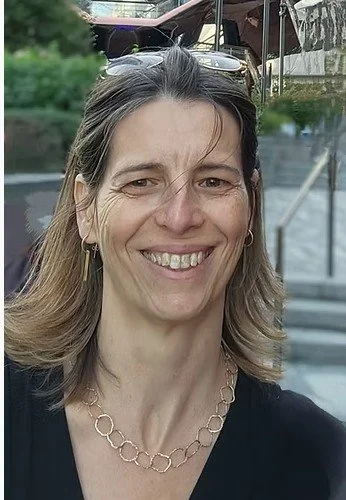
Miri Arie, Ph.D. is a clinical psychologist since 2008 (PY.60967834). She works with children and adults. Her expertise includes supporting individuals in improving their relations with others, coping with anxiety, improving emotional regulation skills, and reducing rigid thinking patterns and behaviors. Dr. Arie has extensive training in supporting clients with Trauma histories and she has a special passion to support adults in their parenting journey. Dr. Arie integrates Cognitive Behavioral Therapy (CBT) techniques with Attachment-based intervention and uses Internal Family System (IFS) intervention approach in her work.
For more information:
Email: Miri@socialendeavors.net
Phone: 585-857-9394
Website: https://www.socialendeavors.net/
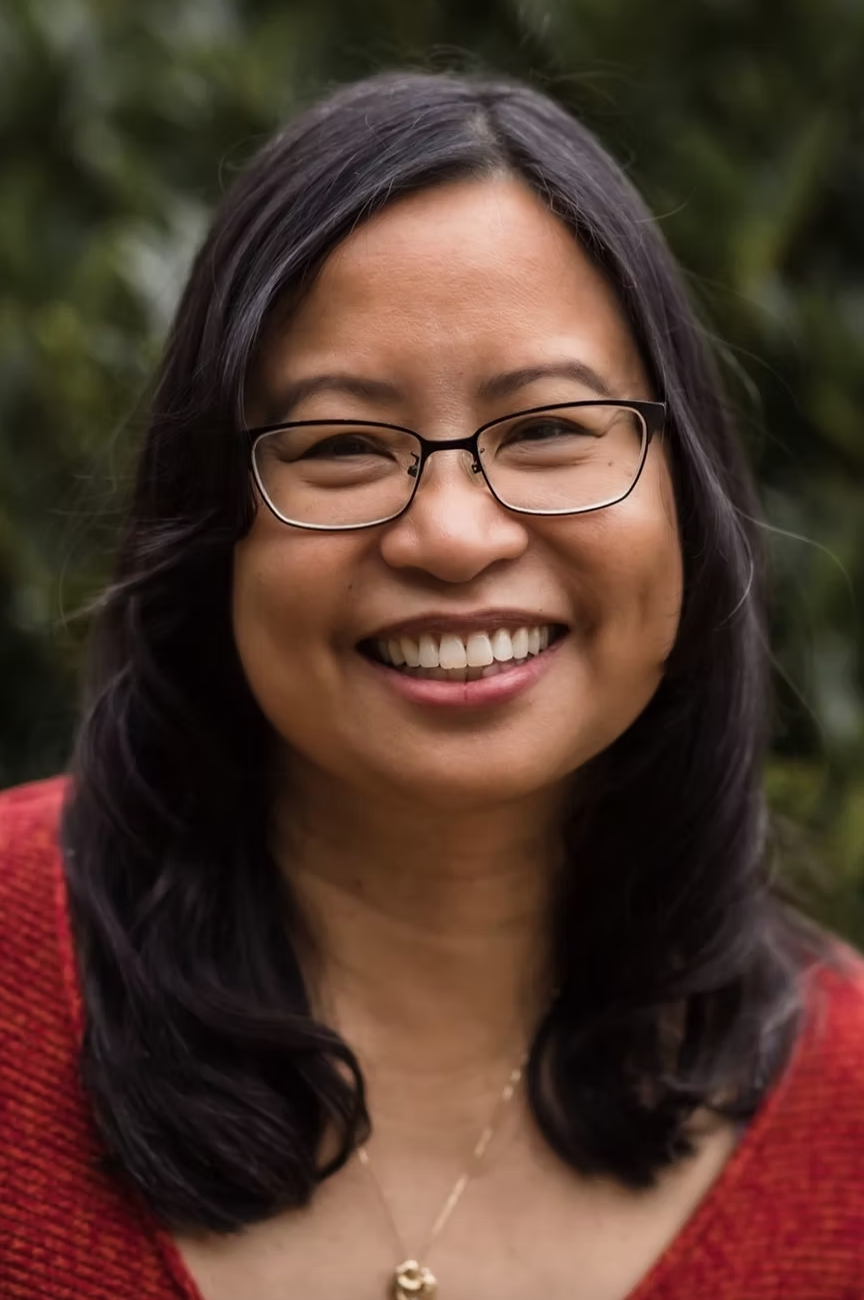
Claire is a Licensed mental health counselor who providers attachment and trauma-based psychotherapy with clients diagnosed with, but not limited to, Social Anxiety and Selective Mutism, Complex Trauma, Depression, and co-occurring disorders. She also provides support for parents and school personnel.
Claire offers services in English and Tagalog.
For more information:
Email: malaya@counselingmind.co
Website: https://www.counselingmind.co