


Core Principles
Unconscious Influence: Much of human behavior is driven by hidden desires, memories, and fears outside of conscious awareness.
Early Life Experiences: Childhood interactions with primary caregivers are believed to form the foundation of an individual's personality and adult relational style.
Defense Mechanisms: These are unconscious psychological strategies, such as denial or repression, used to protect the self from uncomfortable thoughts or anxiety.
Transference: Patients may unconsciously redirect feelings about significant people in their past (e.g., a parent) onto the therapist, providing a "mirror" to examine relationship patterns.
Common Techniques
Free Association: Encouraging the patient to speak freely about whatever comes to mind without censorship to reveal unconscious links.
Dream Analysis: Using dreams as a window into the unconscious to uncover hidden fears or motivations.
Identifying Patterns: Working with a therapist to recognize recurring, often self-defeating, themes in life and relationships.
Interpretation: The therapist offers perspectives on the patient's thoughts and actions to help them connect their past to their current symptoms.
Applications and Effectiveness
Psychodynamic therapy is effective for treating a variety of mental health conditions:
Depression and Anxiety: Evidence suggests it can be as effective as Cognitive Behavioral Therapy (CBT) for these conditions.
Personality Disorders: It is particularly noted for its efficacy in treating complex disorders like Borderline Personality Disorder.
Lasting Benefits: Research indicates that the benefits often continue to grow after treatment has ended, as patients continue to apply their newfound insight.
Comparison with Other Therapies
CBT vs. Psychodynamic: While CBT is highly structured and focuses on changing immediate thoughts and behaviors in the present, psychodynamic therapy is more open-ended and emphasizes the historical "why" behind those patterns.
Psychoanalysis vs. Psychodynamic: Psychodynamic therapy is generally less intensive, meeting once or twice a week rather than multiple times, and focuses more on current interpersonal functioning.
Psychodynamic Therapy Providers:
-
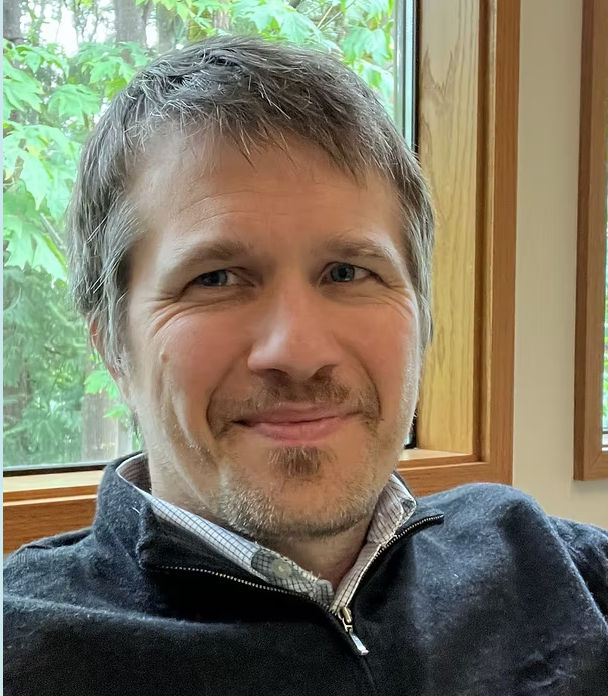
David Neal, PsyD
TEEN, ADULT, AND GROUP THERAPIST
Porivdes Telehealth video and In-person service
Dr. Neal is a licensed clinical psychologist and psychoanalyst who provides psychological assessments for a variety of presenting problems and works with clients diagnosed with, but not limited to anxiety, depression, dissociation, posttraumatic stress, relationship problems, personality dysfunction, and psychosis.
-

Maki Park, LMHCA
INDIVIDUAL THERAPIST
Provides telehealth video and in-person services
Maki Park is a Licensed Mental Health Counselor Associate who provides psychotherapy with clients struggling with, but not limited to teens and adults who are navigating identity issues, cultural pressures, life transitions, and relational challenges.
-
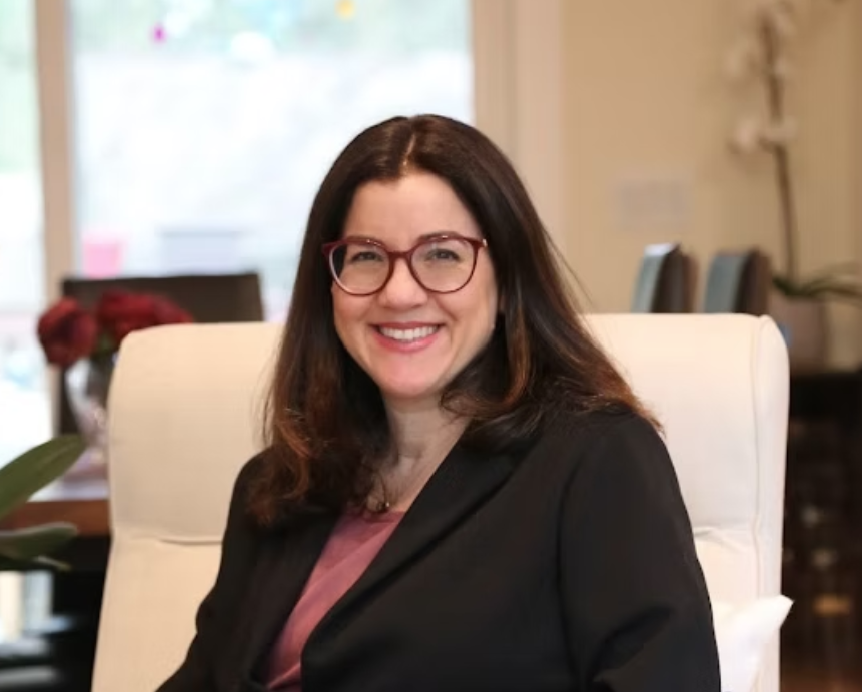
Michal (Michelle) Alpert, LICSW
INDIVIDUAL THERAPIST
Provides telehealth video and in-person services
Michal Alpert is a Licensed Independent Clinical Social Worker who provides client-centered psychotherapy for clients diagnosed with, but not limited to Anxiety, Depression, Grief, Trauma, Prenatal and Postnatal Support, and Cultural iIsues.
She offers therapy in both English and Hebrew
-
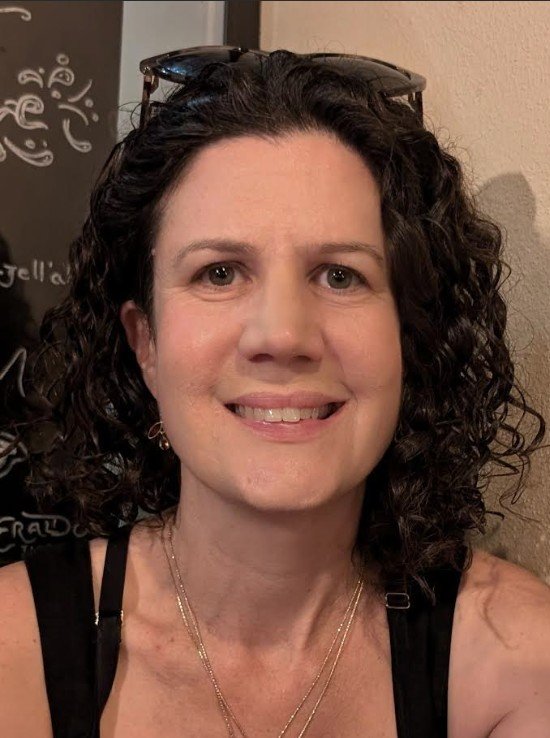
Michal Goldring Keidar, LICSW
TEEN, ADULT, AND PARENT COACHING
Provides telehealth video service only
Michal Goldring Keidar is a licensed clinical social worker who provides psychotherapy for teens and adults coping with trauma, transitions including parentdhoo, ‘empty nesing,’ and aging. She also works with parents of neurodivergent children, and parents of children with disabilities.
Michal is also offering services in Hebrew.
Email: Michalgkeidar@gmail.com
Phone: (206)486-4131